


What is Margin Trading and How Does it Work?
At some point in your investing journey, you’re likely to hear about margin trading. People often talk about it when discussing how to grow investments faster, make bigger trades, or “use leverage” to try to boost returns. At first, it might sound exciting - if you can borrow money to get more involved in the market, doesn’t that mean you could make more money, too?
In a way, yes. But that’s just part of the picture. Margin trading doesn’t just magnify your gains - it magnifies your losses, too. That’s why margin is often misunderstood, especially by people who are new to investing.
What Is Margin Trading?
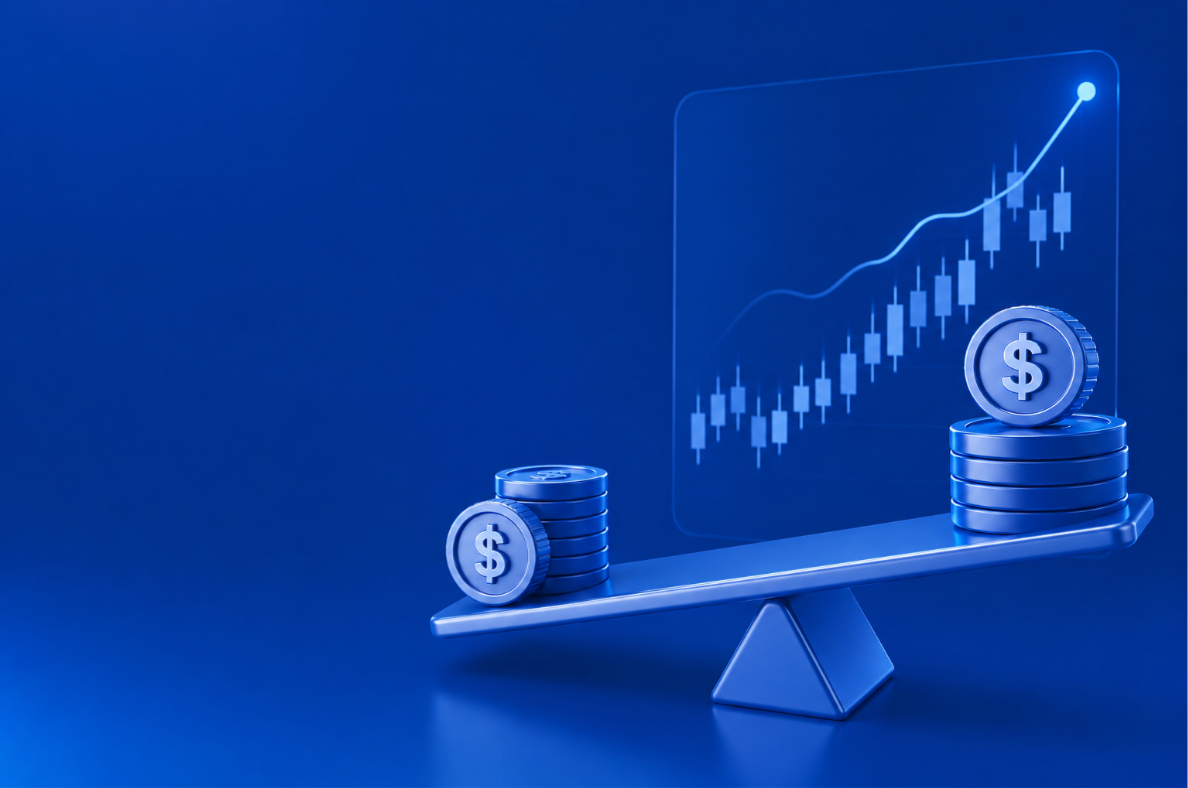
Margin trading means borrowing money from your broker to make larger trades than you could with just your own cash. In plain English, a margin lets you control more assets than you actually own. For example, let’s say you have $1,000.
Without margin:
You invest $1,000
your market exposure = $1,000
With 5× leverage:
You invest $1,000 of your own money
borrow $4,000
Your total market exposure becomes $5,000
This means that even small changes in the market can have a much bigger effect on your account. Sure, this can boost your potential profits - but your potential losses get bigger, too.
How Margin Trading Actually Works
At its core, margin trading combines two elements: your own capital and borrowed capital. Your deposit acts as collateral for the broker. For example:
You deposit $2,000 and use 3× leverage. Your total position size becomes $6,000. Now imagine the market moves:
Scenario A: Market rises by 10%
Position value: $6,600
Profit: +$600
Without a margin, your profit would just be $200. That sounds good - until you consider what happens if things go the other way.
Scenario B: Market falls by 10%
Position value: $5,400
Loss: − $600
Again, without leverage, your loss would have been just $200. The market moved the same amount - the only difference is how much you feel it. That’s the key point: using margin doesn’t make your investments better; it just makes the stakes higher.
Why Investors Use Margin
Despite the risks, margin trading remains popular. Why? Because it gives investors more flexibility. Using margin lets traders boost their market exposure, make bigger trades, use their money in new ways, try out short-term strategies, or protect their portfolios.
Traders who are active in the market often use margin because even small price changes can add up when you’re trading larger amounts. Big institutions use leverage, too, but in a very calculated way to get more out of their available cash. The key difference? Professionals always make sure to pair leverage with things like:
strict risk management
position sizing
predefined exit rules
Margin isn’t a strategy by itself - it’s just a tool. Like any tool, it can be risky if you don’t have a plan.
The Risks Investors Often Underestimate
It’s tempting to try margin trading when you see the potential for bigger profits. But it’s just as easy to overlook the dangers. The biggest trap is thinking, “I’ll just borrow more and earn more.” In truth, borrowing more means you’re also risking more - and you could lose a lot faster than you expect.
One of the biggest risks is that losses can be magnified. If your trade goes south, you could lose much more than you’d expect - and much faster, too.
Another challenge with margin is the emotional rollercoaster. Small swings in the market suddenly feel huge. A drop of just 2–3% - which you might normally ride out, can feel scary when you’re using leverage. This stress often causes people to make rash decisions, such as selling too soon, abandoning their strategy, or taking bigger risks to try to make up for losses.
There is another factor many beginners overlook: borrowed money is not free. Margin positions may involve: borrowing costs, interest charges, overnight fees, or even additional broker requirements.
So, even if the market doesn’t move at all, just having a leveraged position can cost you money over time.
Margin Calls and Liquidation Explained
This is where margin trading really differs from regular investing. If your account drops below a certain level, your broker will ask you to add more money or shrink your position - that’s called a margin call.
If you don’t act, your broker might close out your trades automatically - this is called liquidation. It can happen quickly, especially when markets are volatile. And once you’re liquidated, the only way to get back in is to put in more money.
That’s why experienced traders usually care more about protecting their money than chasing the biggest returns.
Who Margin Trading Is Really For
Margin trading might sound like a smart way to speed up your gains. But in reality, it’s best for investors who already know a thing or two about:
market volatility
position sizing
risk management
emotional discipline
capital allocation
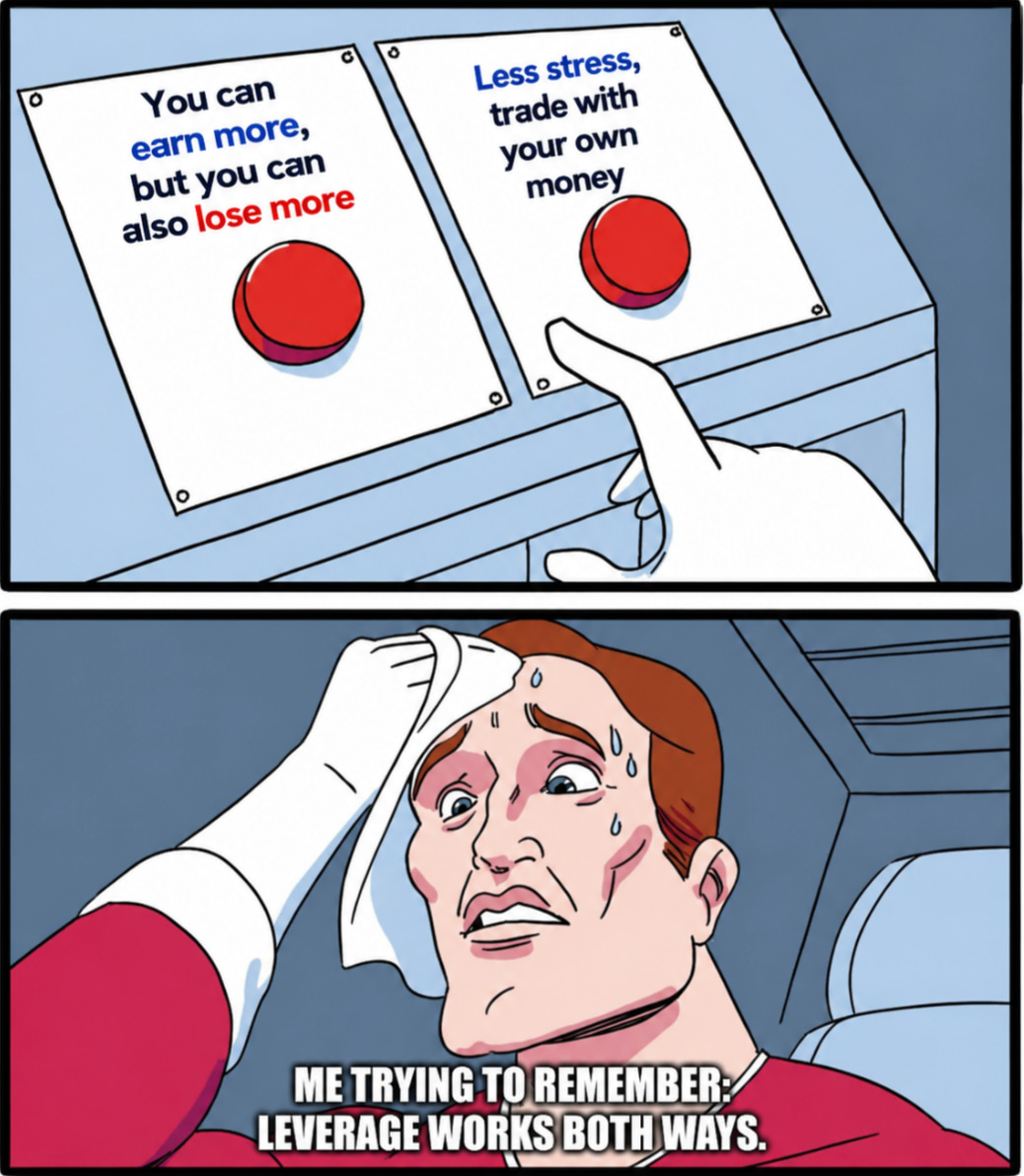
For beginners, margin trading can make things complicated before you’ve even nailed the basics. That doesn’t mean leverage is always bad. It just means leverage makes everything bigger - good or bad. If you have a solid plan, leverage can help. If you don’t, it can make mistakes more costly. Most people are better off learning how markets work before adding leverage.
Conclusion
Margin trading is a powerful tool for investors and traders. However, just because it’s powerful doesn’t mean it’s simple. At its heart, margin trading lets investors borrow money to make bigger bets, which can lead to bigger returns.
But it also raises the risks, the pressure, and the fallout from any mistakes. That’s why using margin successfully isn’t about being bold - it’s about being careful and disciplined. In the long run, success in investing comes down to how well you can manage risk, not just how much you can put on the line.